Эпидемиология наследственного буллезного эпидермолиза в Российской Федерации
Журнал: Клиническая дерматология и венерология. 2025;24(5):574-582.
DOI: 10.17116/klinderma202524051574
Прочитано: 2001 раз
Резюме
АКТУАЛЬНОСТЬ
Наследственный буллезный эпидермолиз (БЭ) — это редкое наследственное заболевание кожи, которое характеризуется образованием волдырей и развитием инвалидизирующих деформаций.
ЦЕЛЬ ИССЛЕДОВАНИЯ
Изучить распространенность НБЭ среди населения Российской Федерации (РФ) в 2024 г.
МАТЕРИАЛЫ И МЕТОДЫ
Информация о пациентах с БЭ была получена на основании письменного обращения главного внештатного специалиста по дерматовенерологии и косметологии Министерства здравоохранения РФ, профессора Н.Н. Потекаева, президента Национального альянса дерматовенерологов и косметологов (НАДК) в медицинские организации дерматовенерологического профиля субъектов РФ.
РЕЗУЛЬТАТЫ
Сведения о больных БЭ получены из 85 субъектов РФ. Выявлено 1088 пациентов, страдающих БЭ, в возрасте от 0 до 65 лет. Простой БЭ диагностирован у 56,5% пациентов, дистрофический БЭ — у 27,3%, летальный БЭ — у 0,4%, БЭ неизвестной этиологии — у 8,4% и «другой» БЭ — у 7,4% людей. Средняя распространенность БЭ в РФ составила 7,4 случая на 1 млн населения, среди детей в возрасте от 0 до 17 лет — 21,3 на 1 млн детей. Обеспеченность инвалидов лекарственными средствами и перевязочными материалами в РФ в среднем составляет 82%, варьируя в регионах от 50 до 100%.
ЗАКЛЮЧЕНИЕ
Полученные сведения будут заложены в основу формирования регистра пациентов с буллезным эпидермолизом в Российской Федерации, создаваемого НАДК. Их мониторинг, статистическая обработка и анализ позволят оценить состояние здоровья, медицинские и социальные характеристики пациентов, а также их обеспеченность необходимой медицинской помощью.
Ключевые слова
- врожденный буллезный эпидермолиз
- эпидемиология
- Российская Федерация
Дата поступления: 09.02.2025
Дата принятия в печать: 04.07.2025
Дата публикации: 11.11.2025
Introduction
Inherited epidermolysis bullosa (EB) is a group of rare, genetically mediated hereditary blistering skin diseases in which minor trauma leads to the formation of blisters and, upon their rupture, erosions. The presence of wound surfaces increases the chance of pathogenic flora colonization, disabling deformities secondary to severe scarring, as well as the development of malignant skin neoplasms, leading in some cases to early mortality. The disease can affect both the skin and mucous membranes, as well as other organs and systems of the human body, which requires collaborative work between dermatologists and physicians of related specialties. Systemic manifestations of the disease may vary depending on the form of EB. These include: narrowing of the oral opening (microstomia), restriction of tongue protrusion (ankyloglossia), growth and developmental delays, visual organ lesions (corneal blisters, erosions and scarring; formation of ectropion), strictures or occlusion of the upper respiratory tract, gastrointestinal tract lesions (pyloric atresia, esophageal stenosis, gastroesophageal reflux disease, enterocolitis, etc.), urogenital system lesions (urethral strictures, stenosis of the external urethral opening, renal failure, etc.), musculoskeletal disorders (osteopenia, osteoporosis, finger contractures, pseudosyndactyly, etc.), cardiomyopathy, multifactorial anemia, and so on.
There are 4 main forms of EB: simple, junctional, dystrophic, and Kindler syndrome. Depending on the form, the severity of the disease varies significantly, which explains both the difference in prognosis for each case and the difference in treatment and patient care.
One of the most favorable forms of the disease is simple epidermolysis bullosa. The cause of the simple bullous form development lies in dominant mutations in genes encoding keratin proteins type 5 or 14 (KRT5 and KRT14). In this form of the disease, blisters form at the level of the basal layer of the epidermis. The typical evolution for this form is considered to be improvement in condition as the patient matures. According to statistics by Dănescu S et al. (2015), the simple form of EB accounts for about 92% of all identified forms of the disease [1].
Junctional epidermolysis bullosa (JEB) manifests with the development of blisters within the lamina lucida of the basement membrane and is the most prognostically unfavorable form of the disease. JEB is characterized by an autosomal recessive inheritance pattern. On average, the prevalence of this form of the disease in the population is 5%.
Contemporary molecular genetics research has elucidated that one of the fundamental hereditary dermatological conditions, dystrophic epidermolysis bullosa (DEB), predominantly manifests through pathogenic alterations in the COL7A1 gene sequence. Notably, this gene is responsible for synthesizing type VII collagen molecules, which are instrumental in forming anchoring fibrils — crucial structural elements that facilitate dermo-epidermal cohesion at the basement membrane zone. From a clinical perspective, DEB demonstrates significant phenotypic heterogeneity, manifesting in two distinct inheritance patterns: autosomal dominant and autosomal recessive variants. Empirical observations suggest that the dominant form typically presents with relatively moderate clinical manifestations. In contrast, the recessive variant is characterized by a more severe clinical spectrum, encompassing extensive cutaneous fragility, persistent inflammatory processes, progressive dermal fibrosis, and notably, an elevated predisposition to cutaneous squamous cell carcinoma development. Furthermore, these pathophysiological manifestations significantly impact patients’ quality of life metrics and mortality rates, as evidenced by numerous longitudinal studies.
Additionally, a fourth subtype with blister development at different levels of the dermal-epidermal junction is distinguished, the so-called Kindler syndrome. Depending on the form, the disease can progress with varying degrees of severity.
Speaking of registries of patients suffering from EB, it should be noted that only a few of them contain not only the total number of patients but also distribute them according to the form of the disease. In the Russian Federation, statistical accounting of EB patients has not been conducted on a regular basis until now. There are individual publications on the incidence of epidermolysis bullosa in Russia, which, according to some authors, is 1:50,000—1:300,000 [2], as well as publications indicating the frequency of EB in the adult [3, 4] and pediatric [5] population of the Russian Federation.
Objective. To conduct epidemiological monitoring of the prevalence of Epidermolysis Bullosa (EB) in the Russian Federation in 2024 and evaluate its results.
Materials and Methods
The study utilized the results of processing written requests from the chief freelance specialist in dermatovenereology and cosmetology of the Russian Federation, Doctor of Medical Sciences, Professor N.N. Potekaev, President of the National Alliance of Dermatovenereologists and Cosmetologists (NADC), addressed to the chief freelance specialists in dermatovenereology and cosmetology of the constituent entities of the Russian Federation regarding the prevalence of EB in the territories of the respective regions. Based on these requests, information was obtained from 85 constituent entities of the Russian Federation regarding: the prevalence of the disease among the general and pediatric populations, the “profiles” and structure of the pathology (simple EB, dystrophic, lethal, unspecified, other forms), the number of persons with disabilities, and the state of provision of specialized medical care to patients. Data were obtained by extracting information from primary medical documentation of medical organizations in the constituent entities of the Federation that provide medical care in the field of “dermatovenereology.” The frequency of EB cases in the constituent entities of the Russian Federation was calculated as the ratio of the number of EB patients in the entity to the population of the entity, converted to 100,000 of the corresponding population; for the purpose of bringing the results in line with global data — per 1,000,000 population. Data on the population of the constituent entities of the Russian Federation were obtained from the website of the Federal State Statistics Service (Rosstat) in the section “Demographics: Population Estimate as of January 1, 2024.” Statistical data processing was carried out using descriptive statistics methods, as well as calculating proportions when analyzing the structure of nosological forms of EB.
Results of Epidemiological Monitoring of Patients with EB i in the Russian Federation
According to the results of epidemiological monitoring conducted in August 2024 under the guidance of the chief freelance specialist in dermatovenereology and cosmetology of the Russian Federation, President of the NADC, Doctor of Medical Sciences, Professor N.N. Potekaev, and responses received from 85 constituent entities of the Russian Federation (RF), the total number of patients with congenital epidermolysis bullosa in the Russian Federation in 2024 was 1,088 people, of whom 644 (59.2%) were children. The largest number of patients, 615 people (56.5%), had a diagnosis of “Simple epidermolysis bullosa” (ICD-10 Q81.0), 297 patients (27.3%) suffered from “Dystrophic epidermolysis bullosa” (ICD-10 Q81.2). Other forms of the disease were less common: “Lethal epidermolysis bullosa” (ICD-10 Q81.8) was diagnosed in 4 people (0.4%), “Other epidermolysis bullosa”, ICD-10 code Q81.8 — in 81 people (7.4%), “Epidermolysis bullosa, unspecified” (ICD-10 Q81.9) — in 91 patients (8.4%).
Of the total number of patients, 574 people (52.8%) had disabilities, with 395 of them being children (36.3% of the total number of patients, and 89.1% of the number of children).
Provision of specialized medications and dressing materials at the expense of the regional budget was carried out for 347 people (31.5%), of whom 286 were in disability groups (49.8% of the number of disabled people) (Table).
General information on the number of patients with BE in the Russian Federation (in absolute numbers)
Общие сведения о числе пациентов с БЭ в Российской Федерации (в абсолютных значениях)
Number of patients with BE | The number of patients with an established diagnosis (absolute number) | The number of patients with a disability group | The number of patients provided with medicines and dressings at the expense of the regional budget | |||||||
Total | Of these, children | Simple epidermolysis bullosa | Epidermolysis bullosa dystrophic | Other epidermolysis bullosa | Epidermolysis bullosa, unspecified | Total | Of these, children | Total | Of those with a disability group | |
ICD-10 | ||||||||||
Q81.0 | Q81.1 | Q81.2 | Q81.8 | Q81.9 | ||||||
1088 | 644 | 615 | 4 | 297 | 81 | 91 | 574 | 395 | 347 | 286 |
The average prevalence rate of EB in Russia was 0.74 per 100,000 population, or 7.4 per 1 million population. In various regions of the Russian Federation, EB was characterized by significant variations in prevalence rates. At the same time, 32 constituent entities demonstrated an excess of the average level. The highest prevalence rates of EB were registered in the North Caucasian Federal District (20.6 cases per 1 million population) (Fig. 1).
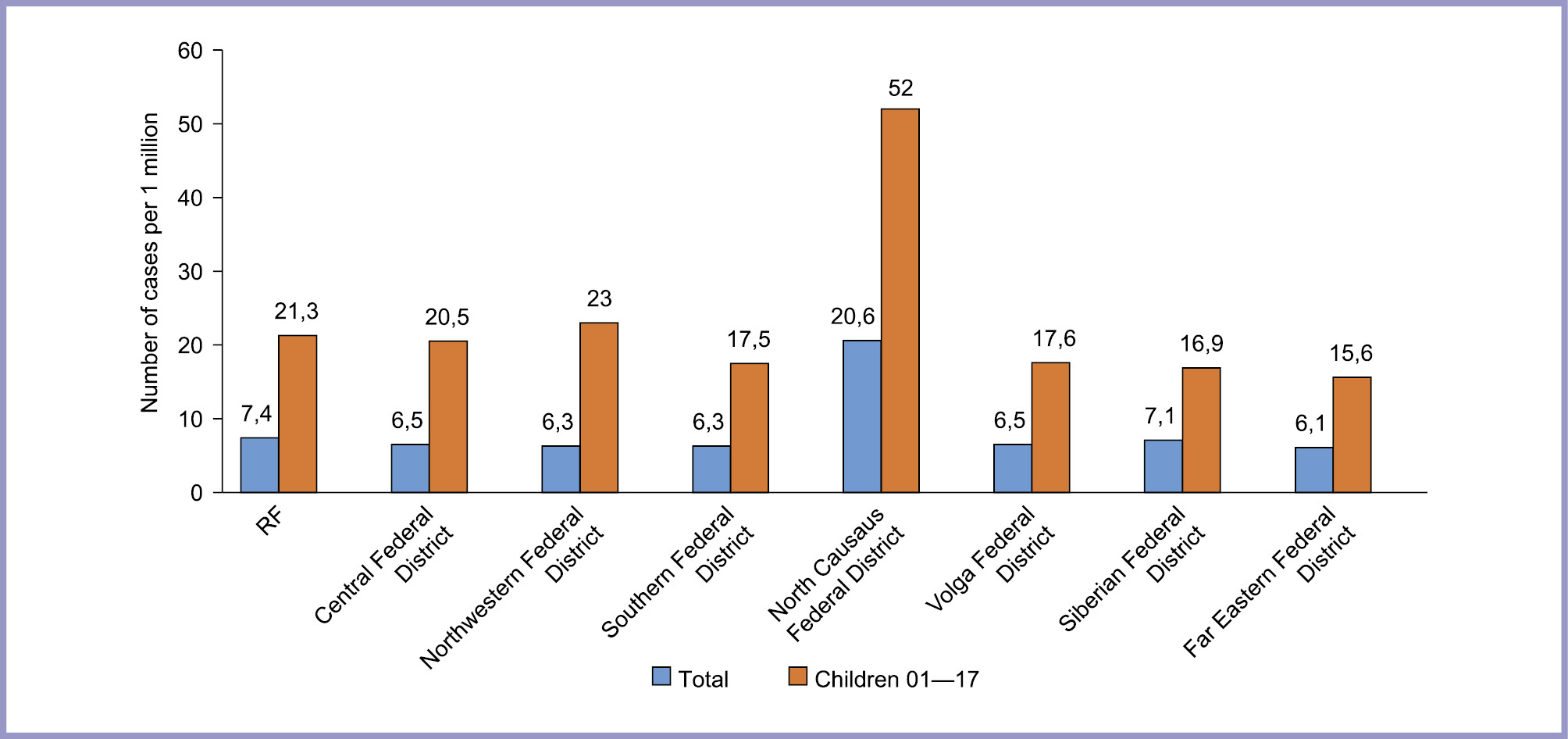
Fig. 1. Prevalence of BE in the Federal Districts of the Russian Federation.
Рис. 1. Распространенность БЭ в федеральных округах Российской Федерации.
Among the constituent entities of the North Caucasian Federal District that provided information on the prevalence of EB, the highest rates were registered in the Republic of Dagestan (45.8 cases per 1 million population). Among other constituent entities of the Russian Federation, the highest prevalence rates of EB were registered in Kalmykia, Southern Federal District: 26.5 cases per 1 million population, Tomsk Oblast, Siberian Federal District: 29.5, Chukotka Autonomous Okrug, Far Eastern Federal District: 20.9.
At the same time, in 43 constituent entities, the prevalence level of EB was below the average for the Russian Federation, which could be due to both differences in diagnostics and regional features of demographic and genetic factors.
According to the data received, in 2024, cases of EB were not registered in 10 constituent entities of the country, including Oryol Oblast, Nenets Autonomous Okrug, Pskov Oblast, the Republic of Altai, the Karachay-Cherkess Republic, and others.
The average prevalence rate of EB among children from 0 to 17 years in Russia was 2.13 cases per 100,000 population, or 21.3 per 1 million children. At the same time, the prevalence level of EB among children across the constituent entities of the Russian Federation also varied significantly.
In 12 constituent entities, including Oryol Oblast, Nenets Autonomous Okrug, and Krasnoyarsk Krai, cases of the disease were not registered. At the same time, 33 regions demonstrated prevalence rates above the Russian average (2.13 cases per 100,000 children, or 21.3 cases per 1 million children), while in 43 constituent entities, the rates were registered below this level (Fig. 2).
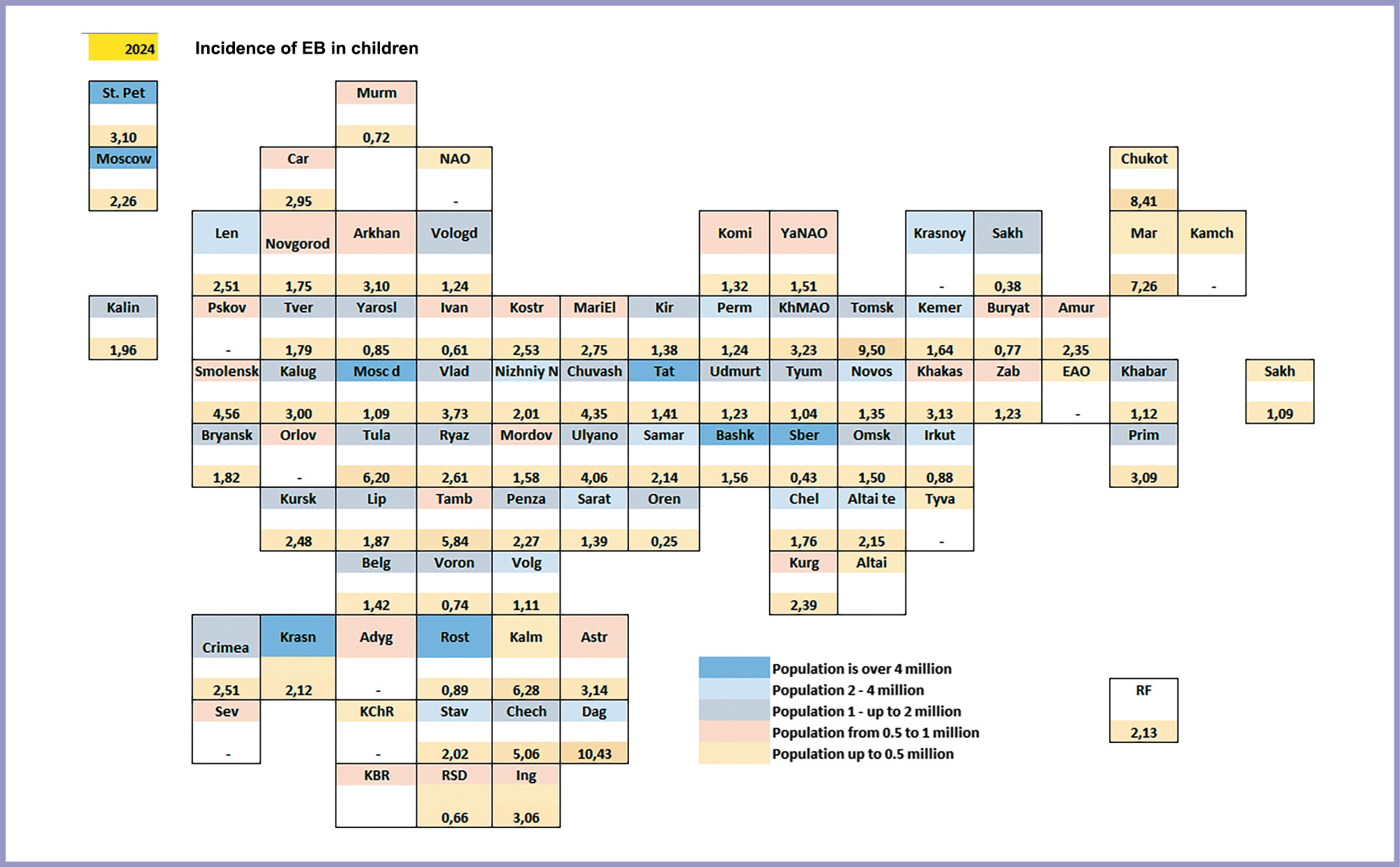
Fig. 2. Prevalence of BE in the child population of the Russian Federation (by federal subjects).
Рис. 2. Распространенность БЭ среди детского населения Российской Федерации (по субъектам Федерации).
The highest prevalence rates of EB among children were registered in the North Caucasian Federal District (5.2 cases per 100,000 children, or 52 cases per 1 million children), especially in the Republic of Dagestan (10.43 cases per 100,000 children, or 104.3 cases per 1 million). Among other constituent entities of the Russian Federation, the highest prevalence rates of EB among children aged 0—17 years were registered in Kalmykia, Southern Federal District: 6.28 cases per 100,000 children, or 62.8 cases per 1 million), Tomsk Oblast, Siberian Federal District: 9.5 cases per 100,000 children, or 95.0 cases per 1 million), Chukotka Autonomous Okrug, Far Eastern Federal District: 8.41 cases per 100,000 population, or 84.1 per 1 million).
Differences in the prevalence of EB among children could be due to both peculiarities in the diagnosis and registration of the disease, as well as genetic and environmental factors in different regions.
EB is a rare genetic disease that requires special attention from medical specialists and the healthcare system.
Analysis of the distribution of patients with this disease in various regions of Russia showed that the average percentage of children aged 0 to 17 years in Russia was 59.19%, while the proportion of children among the total number of observed patients varied significantly. In 30 constituent entities, it exceeded the Russian average, and in 35, it was below this level. In some constituent entities, such as Vladimir, Tver, and Magadan Oblasts, the proportion of children was 100%, which indicated high popularity of monitoring the pediatric group of patients. At the same time, in a number of regions, for example, in the Kabardino-Balkarian Republic and the Republic of Altai, the proportion of children was 0%, which may indicate insufficient diagnosis or inadequate accounting of this pathology among children. The obtained data emphasize the need to develop regional programs to improve the diagnosis and treatment of EB, especially among the child population.
According to the presented data, the simple form of EB had the largest share among patients in the absolute majority of regions of the Russian Federation (Fig. 3).
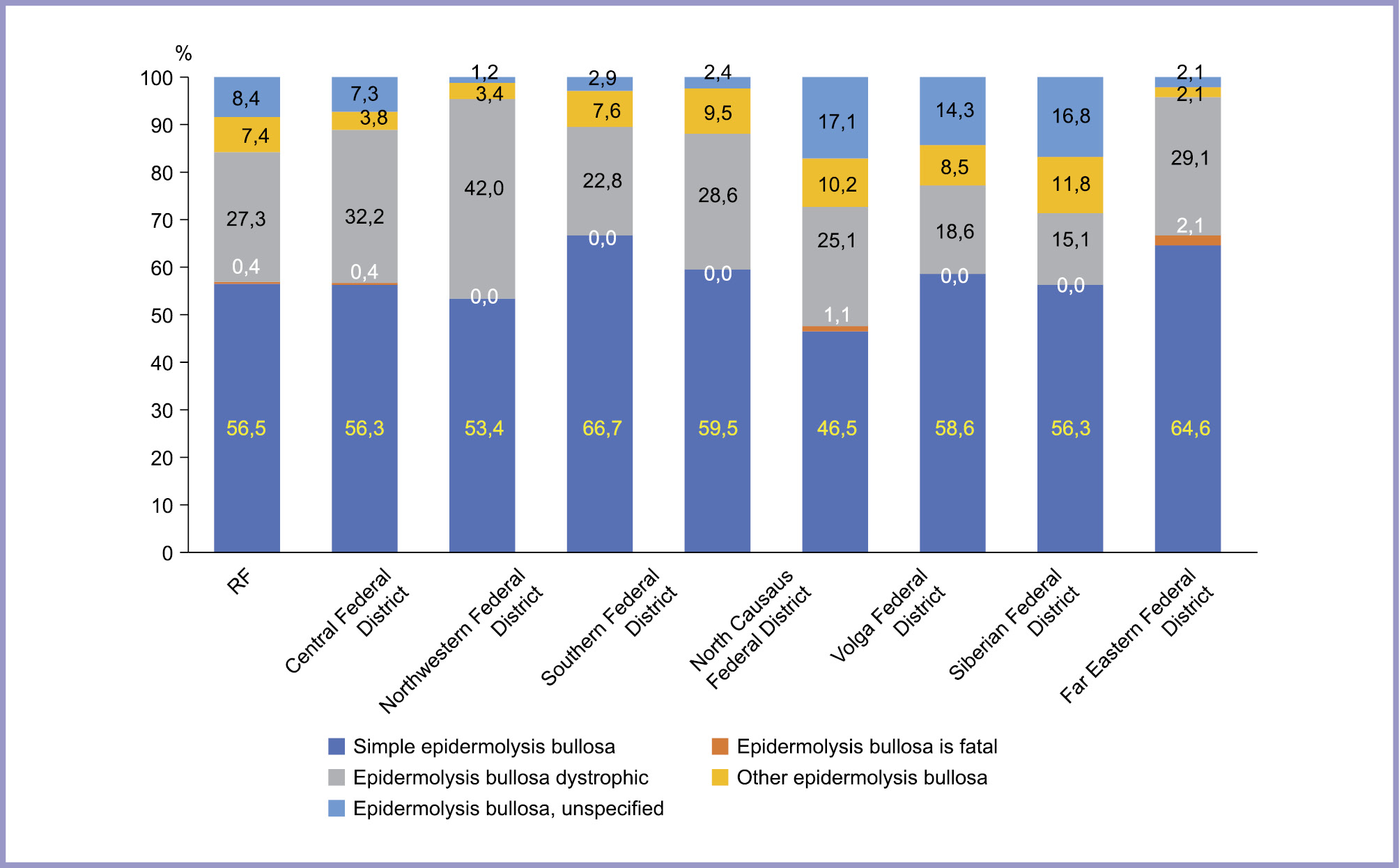
Fig. 3. The structure of clinical forms of BE in the Federal Districts of the Russian Federation.
Рис. 3. Структура клинических форм БЭ в федеральных округах Российской Федерации.
The overall percentage of distribution of this form of EB in Russia was 56.5%, being the highest in the Southern (66.7%) and Far Eastern (64.6%) Federal Districts. A high (more than 30%) percentage of prevalence of the dystrophic form of EB was noted in the Northwestern (42.0%) and Central (32.2%) Federal Districts, which can be explained by greater accessibility of specialized medical care for such patients in million-plus cities (especially): Moscow and St. Petersburg, where such patients come from other regions of the Russian Federation. The highest percentage of “unspecified” forms of EB was registered in the Volga (17.1%) and Siberian (16.8%) Federal Districts, which indicates deficiencies in the diagnosis of the disease.
To maintain the quality of life of patients with EB, it is important to provide them with necessary medications and medical devices. In Russia, monitoring is carried out to ensure the provision of care and therapy means for this category of patients.
According to the obtained data, out of 347 patients in need of pharmaceutical and medical provision, 286 people have disabilities, which is 82.42%. At the same time, in 28 constituent entities of the Russian Federation, the indicator of providing patients with medications (M) and dressing materials (DM) at the expense of the regional budget reaches 100%, which indicates a high level of support in these regions (Fig. 4).
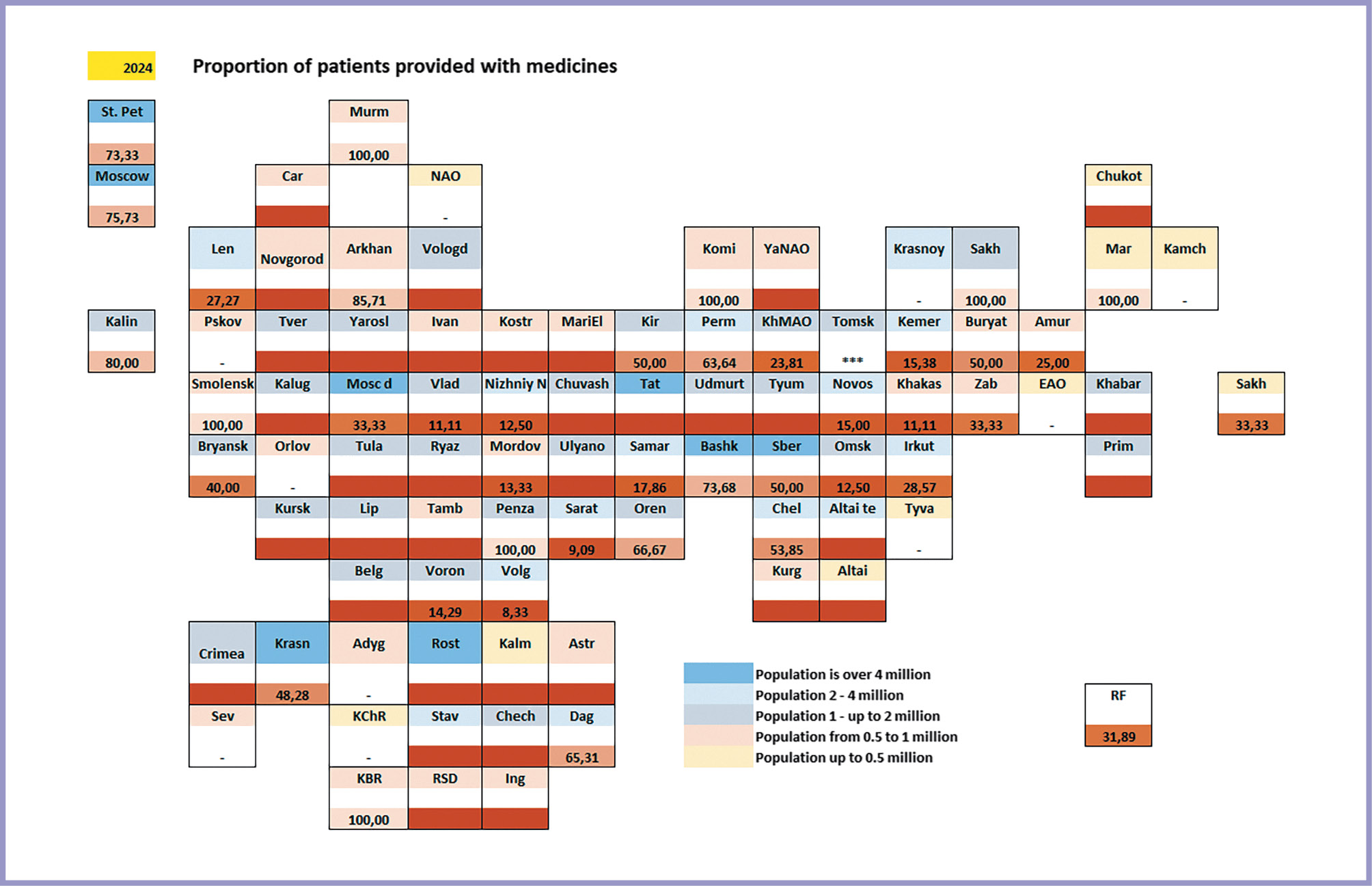
Fig. 4. Provision of medicines for patients with BE in the regions of the Russian Federation.
Рис. 4. Обеспеченность лекарственными средствами больных БЭ в регионах Российской Федерации.
The regions in which disabled people with EB are provided by the state to the greatest extent are the Southern, Far Eastern (100% each) and North Caucasian (99%) Federal Districts of the Russian Federation. They are followed by: Volga (95.12%), Ural (91.3%), Siberian (88.9%) Federal Districts. In the Central and Northwestern Federal Districts, the percentage of provision of disabled people with medications and dressing materials at the expense of the regional budget is 61.6% and 67.3%, respectively.
Discussion
EB is a rather rare genetic disease, in connection with which it is generally not registered at the state level. In order to be able to provide accurate information about the disease, it is important that the patient population is well characterized [6].
Contemporary epidemiological surveillance systems have yielded the most comprehensive and methodologically robust data regarding Epidermolysis Bullosa (EB) distribution through the National EB Registry project in the United States and Scottish healthcare registries. The U.S. National EB Registration Project has documented an incidence rate of (19.60 per million newborns) and a prevalence of (8.22 per million population). Scottish epidemiological surveillance reported notably higher incidence rates, with (33.2 per million newborns) in 2001 and (34.4 per million newborns) during the longitudinal period spanning 1960—1999 [7, 8].
Our current epidemiological investigation within the Russian Federation has revealed distinctive prevalence patterns: the overall population prevalence was calculated at (0.74 cases per 100,000 population), equivalent to (7.4 cases per million population). Pediatric prevalence rates demonstrated significantly higher figures, with an average of (2.13 cases per 100,000 population) among children aged 0—17 years, corresponding to (21.3 per million children). Notable geographical variation was observed across different administrative regions, with prevalence rates ranging from (0 to 45.8) in the general population and (0 to 104.3 cases per 1,000,000 population) in the pediatric cohort, with densely populated regions consistently demonstrating elevated prevalence rates.
The obtained data generally correspond to the literature data on the prevalence of EB in countries around the world, varying within fairly wide limits. For example, the prevalence of EB (per million population) was, respectively, 22.4 cases in the Netherlands, 11.1 in the USA, 10.3 in Australia, 19.5 in New Zealand, 6.7 in Iran, and approximately 20 in Slovenia [9—14]. Meanwhile, Petrof G et al. (2022), describing the EB population in England and Wales, provided epidemiological data from one of the largest EB cohorts registered so far, with more than 2,500 patients, and reported an EB prevalence of 34.8 cases per 1 million population [15].
As elucidated by Baardman Rosalie and Bolling Maria C (2022), the observed epidemiological heterogeneity can be attributed to multiple determinants influencing case identification and documentation. These factors encompass geographical dimensions, spatial distribution of specialized EB centers, and healthcare system parameters, including insurance frameworks, diagnostic capabilities, disease awareness among non-specialized healthcare providers, and accessibility to centers of expertise. Furthermore, demographic variations between cohorts, including genetic mutation profiles, consanguinity patterns, and sociocultural determinants, may significantly impact prevalence statistics [16].
Our epidemiological analysis reveals a distinct correlation between population density and EB case identification across the Russian Federation. Regions with populations exceeding (4 million) inhabitants demonstrated markedly higher EB case documentation, potentially attributable to enhanced population concentration and superior case detection capabilities. Conversely, less populated regions exhibited diminished EB prevalence rates, which may reflect both diagnostic limitations and reduced accessibility to specialized medical facilities, suggesting potential underreporting in these geographical areas. As elucidated by Baardman Rosalie and Bolling Maria C (2022), the observed epidemiological heterogeneity can be attributed to multiple determinants influencing case identification and documentation. These factors encompass geographical dimensions, spatial distribution of specialized EB centers, and healthcare system parameters, including insurance frameworks, diagnostic capabilities, disease awareness among non-specialized healthcare providers, and accessibility to centers of expertise. Furthermore, demographic variations between cohorts, including genetic mutation profiles, consanguinity patterns, and sociocultural determinants, may significantly impact prevalence statistics [16].
Our epidemiological analysis reveals a distinct correlation between population density and EB case identification across the Russian Federation. Regions with populations exceeding (4 million) inhabitants demonstrated markedly higher EB case documentation, potentially attributable to enhanced population concentration and superior case detection capabilities. Conversely, less populated regions exhibited diminished EB prevalence rates, which may reflect both diagnostic limitations and reduced accessibility to specialized medical facilities, suggesting potential underreporting in these geographical areas.
This pioneering comprehensive epidemiological investigation represents the first nationwide surveillance study examining the Epidermolysis Bullosa (EB) patient population across all (85) administrative regions of the Russian Federation. Through systematic data collection and rigorous analysis, our research identified a total of (1,088) confirmed EB cases, with pediatric patients aged 0—17 years constituting (59.2%) of the cohort, specifically (644) cases. In juxtaposition to previous epidemiological investigations within the Russian Federation [3], which encompassed data from (70) administrative regions, the documented overall EB prevalence in 2016 was established at (3.9 per 1 million population), exhibiting significant regional heterogeneity ranging from (0 to 21.03 per 1 million population). Subsequent research conducted in 2021, though limited to (68) administrative regions, did not elucidate the aggregate prevalence metrics [4], thereby underscoring the comprehensive nature of our current investigation. Comparing the results of studies previously conducted in the Russian Federation and the present study, we can state an increase in the country’s average prevalence of EB by approximately 2 times (from 3.9 to 7.4 cases per 1 million population), which may indicate both an increase in the number of patients with this disease and an improvement in the quality of monitoring.
Upon critical examination, our empirical findings demonstrate notable divergence from the recent investigation conducted by Murashkin N.N. et al. (2024) [5]. Their comprehensive analysis, derived from the “Register of Genetic and Other Rare Diseases” maintained by the “Butterfly Children” charitable foundation, documented (491) pediatric EB cases throughout the Russian Federation in 2024, with a calculated prevalence of (15.48 cases per 1 million children) in the age group 0—17 years inclusive. In contrast, our longitudinal epidemiological surveillance, extending through August 2024, revealed a substantially higher incidence, identifying (644) confirmed pediatric EB cases within the same age demographic in the Russian Federation. Statistical analysis yielded an average prevalence rate of (21.3 per 1 million children). The observed statistical discrepancy can be predominantly attributed to the temporal variation in data collection periods (January versus August 2024). Significantly, both investigative endeavors consistently identified the Republic of Dagestan as harboring the highest concentration of pediatric EB cases. As hypothesized by Murashkin N.N. et al., this geographical clustering potentially correlates with the elevated frequency of consanguineous unions characteristic of this particular regional population, suggesting a possible genetic founder effect.
In analyzing the epidemiological landscape of Epidermolysis Bullosa (EB), empirical evidence demonstrates significant geographical variations in prevalence patterns. Contemporary research from the National EB Registration Project in the United States reveals noteworthy epidemiological distributions: the simple form exhibited a prevalence of (4.65 per 1 million population), while the junctional variant showed (0.44), dominant dystrophic type manifested at (0.99), and recessive dystrophic form presented at (0.92), with simple EB demonstrating clear predominance. Furthermore, longitudinal investigations conducted in Scotland’s healthcare system in 2001 yielded contrasting findings, documenting the junctional EB prevalence at (0.3 cases per million population), whereas dystrophic manifestations were substantially higher at (24.6 cases per million population) [7, 8]. Notably, comprehensive epidemiological surveillance in the Netherlands has elucidated a distinct distribution pattern: simple EB constituted (45.7%) of cases, junctional variants accounted for (18.8%), dystrophic presentations comprised (34.7%), and Kindler syndrome represented (0.9%) of the affected population [9]. Moreover, systematic genetic analysis from the Iranian EB registry, encompassing 103 molecularly confirmed cases, revealed a markedly different distribution: (75.7%) of patients (78 individuals) exhibited dystrophic EB, (12.6%) (13 cases) presented with junctional EB, (8.7%) (9 patients) manifested simple EB, and (2.9%) (3 cases) were diagnosed with Kindler syndrome [17].
Our data indicate the predominance of simple EB in the Russian Federation, which was diagnosed in 615 patients (56.5%). Dystrophic type EB was established in 297 (27.3%) patients, lethal — in 4 (0.4%), “other” epidermolysis bullosa — in 81 people (7.4%), undetermined — in 91 (8.4%).
Thus, as the conducted studies have shown, in the Russian Federation, the dystrophic form of EB, which has a more severe course, is less common than the simple form. The largest proportion of patients is registered in regions with high population density (Central, Northwestern Federal District), which may be associated with the availability of specialized medical institutions and diagnostic centers.
The category of “other and unspecified forms” of EB included cases where precise classification of the disease was difficult. The proportion of such patients also varied depending on the region and could be due to incorrectly established clinical diagnosis and non-use of laboratory diagnostic methods, in particular, such as genetic testing. This emphasizes the need for systematization of work on accounting and coding of EB cases, which will allow more accurate assessment of the epidemiological picture of this disease in the future.
EB often leads to the development of disability in patients. At the same time, patients suffering from EB often face difficulties due to insufficient availability of quality medical care. However, such care is a basic need for patients, especially those suffering from severe forms of EB.
Our studies have shown that among 1,088 EB patients, disability was established in approximately half (574 people), 395 of whom were children. At the same time, only 347 people, including 286 disabled people, received provision of medications and dressing materials at the expense of the regional budget. An uneven provision of disabled people with EB with medications and dressing materials at the expense of the state budget in various regions of the Russian Federation was established. At the same time, only in 28 out of 85 constituent entities of the Russian Federation, the indicator of providing patients with medications and dressing materials at the expense of the regional budget reached 100%, which indicated a high level of support for patients with EB in these regions. These indicators emphasize the need for further work to improve the accessibility of medical care for patients with EB, especially in regions with a low level of provision of specialized medical care.
Conclusion
The obtained information will form the basis of a registry of patients with congenital epidermolysis bullosa in the Russian Federation, being formed by the NADC. Their monitoring, statistical processing, and analysis will allow assessment of health status, medical and social characteristics of patients with EB, and their provision with necessary medical care.
Authors’ contributions:
The concept and design of the study — Potekaev N.N., Zhukova O.V., Porshina O.V.
Collecting the data — Petunina V.V., Tsygankova E.I.
Drafting the manuscript, data analysis — Porshina O.V., Petunina V.V., Frigo N.V., Berezovskaya E.M.
Revising the manuscript: — Petunina V.V.
Участие авторов:
Концепция и дизайн исследования — Потекаев Н.Н., Жукова О.В., Поршина О.В.
Сбор материала — Петунина В.В., Цыганкова Е.И.
Написание текста, анализ данных — Поршина О.В., Петунина В.В., Фриго Н.В., Березовская Е.М.
Редактирование — Петунина В.В.
Авторы заявляют об отсутствии конфликта интересов.
- Dănescu S, Has C, Senila S, Ungureanu L, Cosgarea R. Epidemiology of inherited epidermolysis bullosa in Romania and genotype-phenotype correlations in patients with dystrophic epidermolysis bullosa. J Eur Acad Dermatol Venereol. 2015;29(5):899-903. https://doi.org/10.1111/jdv.12709
- Novikov PV. Legal aspects of rare (orphan) diseases in Russia and in the world. Medicine. 2013;4:50-70. (In Russ.).
- Kubanov AA, Albanova VI, Karamova AE, Chikin VV, Melekhina LE, Bogdanova EV. Prevalence of congenital epidermolysis bullosa in the population of the Russian Federation. Bulletin of Dermatology and Venereology. 2015;3:21-30. (In Russ.).
- Kubanov AA, Karamova AE, Bogdanova EV, Chikin VV. Medical and social aspects of congenital epidermolysis bullosa in the Russian Federation. Medical technologies. Evaluation and selection. 2021;43(2):44-50. (In Russ.).
- Murashkin NN, Epishev RV, Orlova OS, Kuratova AA, Polenova VS. Epidemiology of congenital epidermolysis bullosa among the children of the Russian Federation. Issues of modern pediatrics. 2024;23(5):316-328. (In Russ.). https://doi.org/10.15690/vsp.v23i5.2808
- Has C, Liu L, Bolling MC, et al. Clinical practice guidelines for laboratory diagnosis of epidermolysis bullosa. Br J Dermatol. 2020;182:574-592. https://doi.org/10.1111/bjd.18128
- Fine JD, Johnson LB, Suchindran C, Moshell A, Gedde-Dahl T, Jr. The epidemiology of inherited epidermolysis bulllosa: Findings in the US, Canadian and European study populations. In: Fine JD, Bauer EA, Mc Guire J, Moshell A, editors. Clinical, epidemiological and laboratory advances, and the findings of the national epidermolysis bullosa registry. Baltimore: John′s Hopkings university press; 1999:101-113.
- Horn HM, Priestley GC, Eady RA, Tidman MJ. The prevalence of epidermolysis bullosa in Scotland. Br J Dermatol. 1997;136:560-564.
- Baardman R, Yenamandra VK, Duipmans JC, et al. Novel insights into the epidemiology of epidermolysis bullosa (EB) from the Dutch EB Registry: EB more common than previously assumed? J Eur Acad Dermatol Venereol. 2021;35:995-1006. https://doi.org/10.1111/jdv.17012
- Fine JD. Epidemiology of inherited epidermolysis bullosa based on incidence and prevalence estimates from the national epidermolysis bullosa registry. JAMA Dermatol. 2016;152:1231-1238. https://doi.org/10.1001/jamadermatol.2016.2473
- Kho YC, Rhodes LM, Robertson SJ, et al. Epidemiology of epidermolysis bullosa in the antipodes: the Australasian Epidermolysis Bullosa Registry with a focus on Herlitz junctional epidermolysis bullosa. Arch Dermatol. 2010;146:635-640.
- Gear R, Poke G, Neas K, et al. Epidemiological, clinical, pathological and genetic characteristics of epidermolysis bullosa in New Zealand. Australas J Dermatol. 2022;63:62-67. https://doi.org/10.1111/ajd.13762
- Farokhforghani S, Javad Fatemi M, Ghanooni P, et al. Epidermolysis bullosa registry data in Iran. World J Plast Surg. 2021;10:99-102.
- Štublar A, Dragoš V, Dolenc‐Voljč M. Inherited epidermolysis bullosa: epidemiology and patient care in Slovenia with a review of the updated classification. Acta Dermatovenerol Alp Pannonica Adriat. 2021;30:63-66.
- Petrof G, Papanikolaou M, Martinez AE, et al. The epidemiology of epidermolysis bullosa in England and Wales: data from the national epidermolysis bullosa database. Br J Dermatol. 2022;186:843-848. https://doi.org/10.1111/bjd.20958
- Baardman Rosalie, Bolling Maria C. The importance of accurate epidemiological data of epidermolysis bullosa. Br J Dermatol. 2022 May 2;186(5): 765-766. https://doi.org/10.1111/bjd.21295
- Farokhforghani S, Javad Fatemi M, Ghanooni P, et al. Epidermolysis bullosa registry data in Iran. World J Plast Surg. 2021;10:103



Рекомендуем статьи по данной теме:
Эпидемиология розацеа: метаанализ.Клиническая дерматология и венерология. 2026;25(4):540-546
Этапы развития скрининга рака предстательной железы.Онкология. Журнал им. П.А. Герцена. 2026;15(4):102-108
Распространенность психических расстройств и субсиндромального психического дистресса у пациентов с хроническими дерматозами: поперечное эпидемиологическое исследование.Журнал неврологии и психиатрии им. С.С. Корсакова. 2026;126(7):107-114
Образ врача как фактор доверия, приверженности лечению и лояльности к медицинской организации.Профилактическая медицина. 2026;29(7):112-118
Динамика вызовов бригад скорой медицинской помощи при острых нарушениях мозгового кровообращения: 15-летний анализ возрастных, гендерных и временных закономерностей.Профилактическая медицина. 2026;29(7):17-24
Эпидемиологические и клинические особенности опухолей околоушных слюнных желез в Республике Хакасия.Оперативная хирургия и клиническая анатомия (Пироговский научный журнал). 2026;10(2-2):73-79
Факторы, влияющие на вовлеченность граждан Российской Федерации в профилактические мероприятия.Профилактическая медицина. 2026;29(6):19-25
Оценка окружности талии и факторов, ассоциированных с ней, у женщин и мужчин 18 лет и старше в Российской Федерации.Профилактическая медицина. 2026;29(4):40-45
Распространенность послеродовой депрессии в Российской Федерации: систематический обзор и метаанализ.Медицинские технологии. Оценка и выбор. 2025;47(2):74-87
Эпидемиология суицидального поведения у детей и подростков во всем мире.Журнал неврологии и психиатрии им. С.С. Корсакова. Спецвыпуски. 2024;124(11-2):16-26